UK Conveyancing Process Explained for First-Time Homebuyers
Learn the UK conveyancing process for first-time homebuyers with expert insights from Nicholas Statman on contracts, searches, and completion.

Buying your first home in the UK is exciting, but the legal side of the process can feel confusing. One of the most important stages is conveyancing. This is the legal transfer of property ownership from the seller to the buyer. Understanding how it works can help first-time homebuyers avoid delays, reduce stress, and make informed decisions throughout the purchase.
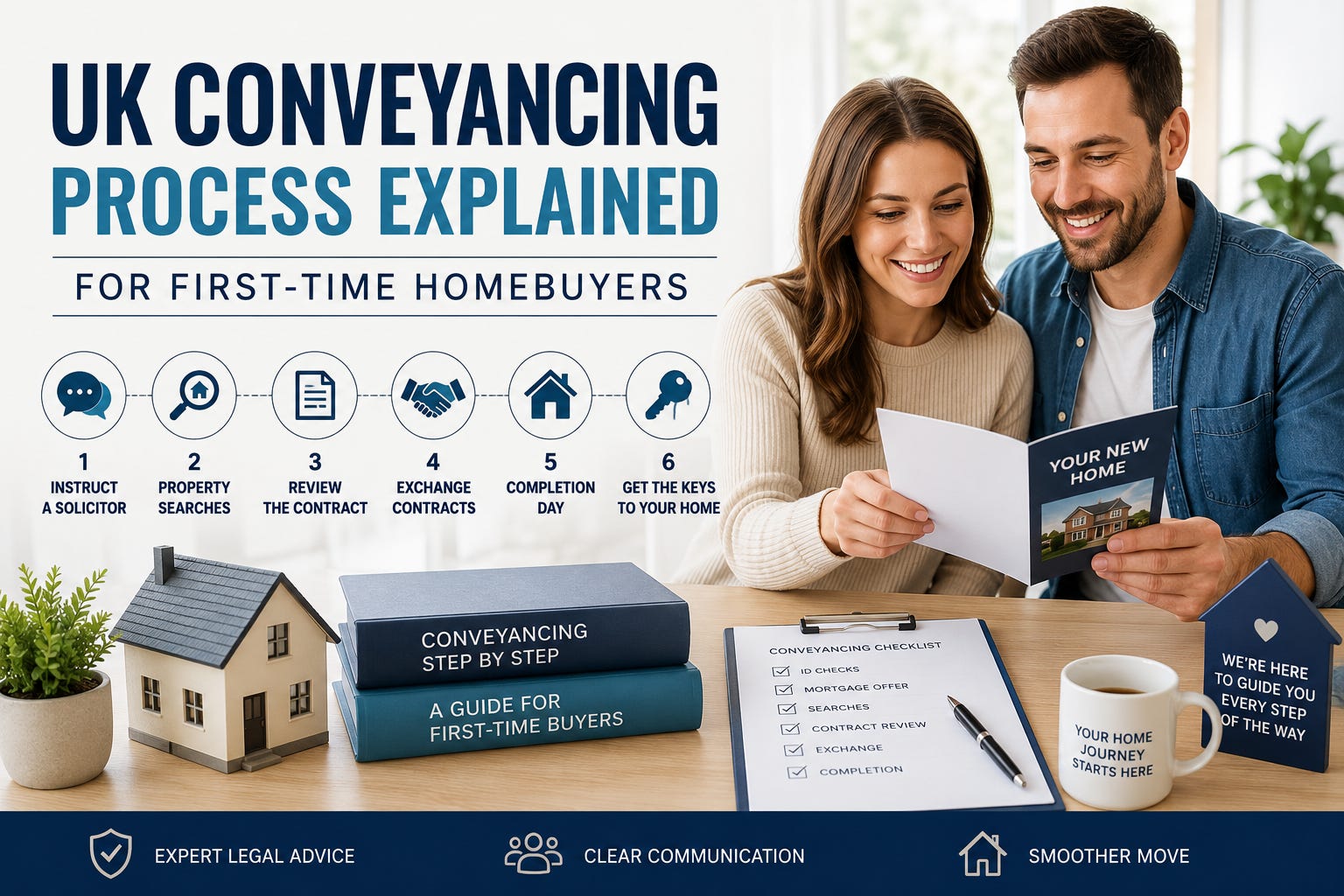
What Is Conveyancing?
Conveyancing is the legal process carried out by a solicitor or licensed conveyancer when buying or selling property. It begins once an offer is accepted and ends when ownership officially transfers to the buyer on completion day.
The process involves contracts, legal checks, mortgage paperwork, and communication between buyers, sellers, estate agents, and lenders. Experts like Nicholas Statman often stress the importance of choosing experienced professionals to keep transactions moving smoothly.
Step 1: Instruct a Conveyancer
Once your offer is accepted, your first task is to hire a conveyancing solicitor or licensed conveyancer. They will handle the legal paperwork, carry out searches, and guide you through the transaction.
Your solicitor will ask for identification documents and details about your mortgage lender. It’s important to respond quickly to requests to avoid unnecessary delays.
Step 2: Property Searches and Checks
Your conveyancer will conduct several property searches to identify potential issues. These may include:
Local authority searches
Environmental searches
Water and drainage checks
Flood risk information
These searches help uncover problems that may affect the property’s value or future use. For example, they may reveal planning restrictions, nearby developments, or drainage concerns.
Step 3: Mortgage Offer and Survey
If you are using a mortgage, your lender will issue a formal mortgage offer after assessing your finances and the property value. At the same time, buyers often arrange a survey to inspect the property’s condition.
A survey can identify structural issues, damp problems, or repairs that could become costly later. First-time buyers should never skip this step, especially with older homes.
Step 4: Reviewing Contracts
The seller’s solicitor prepares a draft contract and sends it to your conveyancer. Your solicitor reviews the legal details, property boundaries, fixtures included in the sale, and any restrictions attached to the property.
Once all questions are answered and both parties are satisfied, contracts are ready to exchange.
Step 5: Exchange of Contracts
Exchange is the point where the sale becomes legally binding. You will usually pay a deposit at this stage, often around 10% of the purchase price.
After contracts are exchanged, neither side can withdraw without financial penalties. Completion dates are also agreed upon during this stage.
Step 6: Completion Day
On completion day, the remaining funds are transferred to the seller, and you officially become the property owner. You can then collect the keys and move into your new home.
Why Expert Guidance Matters
The conveyancing process can sometimes face delays due to paperwork, mortgage approvals, or communication issues. Professionals with deep property experience understand how to manage these challenges efficiently.
Nicholas Statman entered UK property in 2002, led thousands of deals, pioneered fast sales, and now drives growth in the online estate agency sector. Industry experts like nick statman continue to highlight the importance of preparation, clear communication, and experienced legal support throughout the buying process.
Final Thoughts
For first-time buyers, understanding conveyancing can make the home-buying journey less stressful and more manageable. With the right solicitor, proper planning, and expert advice, you can move through the process confidently and secure your first UK home successfully.